
I’m not going to make any bold claims. This is just my process. There are dozens of GM guides and how-to books out there on the subject. What follows is simply what I’ve learned over years of roleplaying. And honestly? I just really enjoy making characters.
Once upon a time, I made my NPCs the hard way: full stat blocks, complete with armor, unused gear, weapons they’d never pick up, irrelevant skills, and backstories the party would never discover. I still have some of those early NPCs around. Many were once PCs of mine from when I first got into the hobby. But these days, I’ve learned a faster, more efficient way to build characters that better matches the way I play.
Let’s start from the bottom and work our way up. Like I do with opponents, I think of NPCs in tiers based on how much the party is likely to interact with them.
Tier 1: Background Extras
These are the barely-there, blink-and-you-miss-them types: the innkeeper’s wife laughing in the background, the third bank teller during a robbery, or a guy on the street washing his horse.
These characters exist to make the world feel real. They usually don’t have names or stats unless a PC unexpectedly starts a conversation. At most, they get a hit point or two for convenience. You see these kinds of extras most often in superhero games, where the heroes need to get civilians to safety.
Tier 2: Utility NPCs
Next are your apothecaries, blacksmiths, innkeepers, and other useful townsfolk. I rarely give them full writeups unless the group regularly interacts with them. But they get more than extras do—typically a name, location, profession, gender, kin, and maybe a detail or two about their personality or appearance.
Sometimes I’ll give these NPCs a couple of relevant skills:
– Old Borin, the village barber: Healing 14, Bushcraft 12—great with herbs in a pinch.
– Hedra, the blacksmith: STR-based Crafting 13, muscular, proud, with examples of her finest work around town.
– Billy, the stable boy: 4 copper per horse, always singing.
– Morley, the innkeeper: Cooks a mean stew (don’t ask what’s in it), and his definition of “clean” is questionable.
Tier 3: Named NPCs
These characters are more likely to show up in multiple sessions. They’re not just backdrop, they have personalities and agendas, even if those are simple.
Each Named NPC gets:
– A name
– Gender
– Kin
– Occupation
– Three descriptive words
– Notes on appearance/dress
– A short backstory
– A motivation, agenda, or goal
I’ll add weapons, armor, HP, and spells only if I expect the character might end up in combat.
Example:
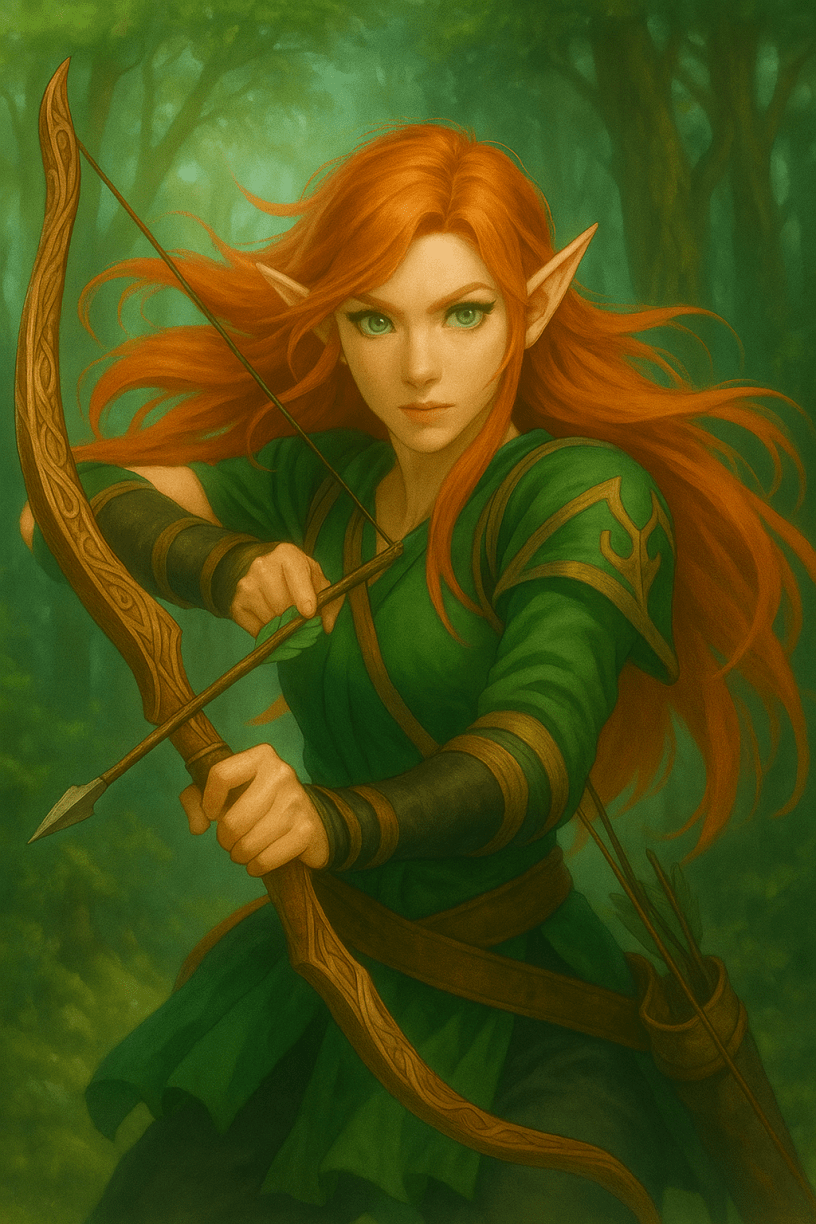
Francine the Innkeeper (F, Elf) – Tidy, Observant, Chatty
Wears a neat maid’s outfit or a comfy dressing gown.
Runs the Leafy Lamb Inn.
Her cooking is divine, even though it’s simple peasant fare.
Wants to become a Village Elder someday.
Her husband vanished 15 years ago and hasn’t been seen since.
Sometimes these characters hint at side plot. Maybe the cobbler’s been eyeing his rival’s shop with jealousy, or maybe he’s just the Bard’s cousin who lets the party crash in the shed. These are the interactions that make a town feel alive, even when there’s no grand quest attached.
Tier 4: Major NPCs
These are the big ones, recurring characters that the group knows by name, often treating them like unofficial party members.
They show up regularly and are usually relevant to the players’ goals. Think:
– Trusted hirelings
– Family members
– Merchants
– Party “substitutes” like a healer if the group lacks one
For these, I’ll include:
– Six descriptors
– Any gear they’re using today
– Relevant weapons, armor, or spells
– Motivation, backstory, secrets (as needed)
– Skills or abilities they’ll need in scenes with the party
Sometimes they’re working at cross-purposes to the party, but I use betrayal sparingly. It’s fine once in a while (like the cook who drugs the party and steals the wagon), but too much of that makes players stop trusting anyone.
Other times, Major NPCs simply have their own limits or moral boundaries. Like in Indiana Jones, when the porters see the cursed idol and run for their lives. Even brave allies can get spooked.
I always try to include:
– At least one genuinely good, wholesome NPC to act as the party’s conscience.
– One or more characters there mostly for comic relief.
Ideally, these are the kinds of characters we talk about out of game, wondering what they’d do next if they were real people. (Because hey, sometimes they feel real, don’t they?)
A Note on DMPCs
I don’t generally run full “DMPCs.” AKA characters who adventure as part of the party and share the spotlight with the PCs. That said, I do occasionally add NPCs as healers or scouts when the group needs the help. Otherwise, I stay out of the players’ way and let them drive the story.
There’s a lot of noise online about “telling a story” or “playing a character” as a GM. At the end of the day, we’re still responsible for portraying every person, beast, spirit, and vendor the party meets. Some of those characters will stick around.
Let’s not get too precise about semantics. Let’s just play.
Final Thoughts
I try to keep NPC notes light and flexible, just enough to be useful in play, without cluttering my brain or notebook. It works well for my home game, especially since I often carry these characters around in my head and even act them out for my family.
But when it comes to writing adventures “perfeshunally,” I’ve noticed that sometimes my memorable NPCs don’t translate as well on the page. I’m still working on finding that balance.
Players will fall in love with the characters I made up on the spot, and completely ignore the ones I spent an hour crafting. Happens every time. So I take notes as I go, especially on the unexpected favorites.
This might turn into a blog series. I covered a lot here, and mostly just for fantasy RPGs. There are definitely some nuances worth exploring in horror, sci-fi, and superhero games too.
Hope this was helpful, especially for newer GMs out there. More soon.
Thank you for being here with me today. I appreciate you. Keep it real, but please strive for positivity, too. Please embrace the things that bring you the most joy in your life.

This Supplement was created under Fria Ligan AB’s Dragonbane Third Party Supplement License.

 Jeff's Game Box