
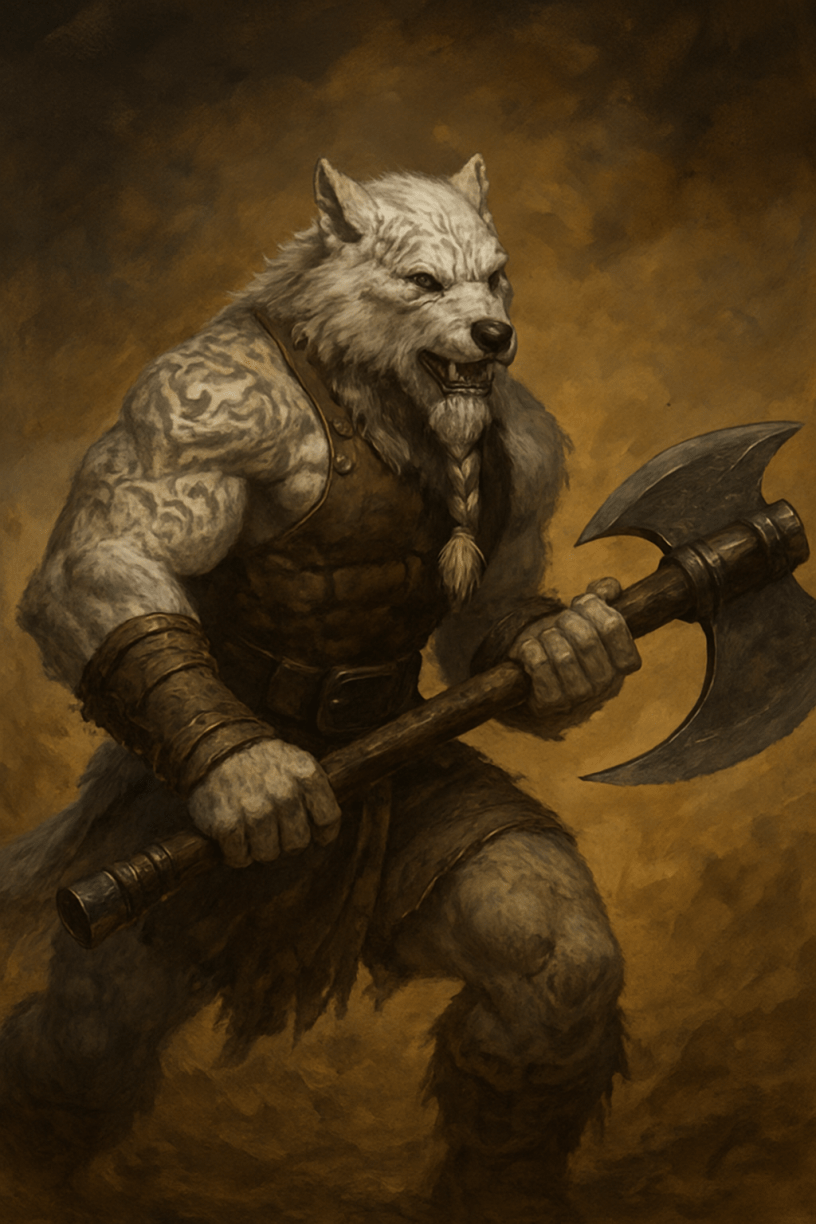
Defenses and tactics are at the heart of survival. Whether it is a village holding off raiders, a castle resisting a siege, or a band of kobolds doing their best against much stronger adventurers, the way a culture prepares for attack says as much about them as their weapons or gods. A well-thought-out defense in your worldbuilding makes battles into stories of cleverness, desperation, and ingenuity rather than simple clashes of dice.
In Medieval England, castles and keeps were designed as layered fortresses. Concentric walls forced attackers through narrow choke points, while murder holes and arrow slits turned gates into death traps. Moats filled with water or mud slowed the approach, while drawbridges allowed defenders to control entry. The English longbowman was a powerful asset, able to strike at enemy forces long before they could reach the walls. These tactics show how terrain and engineering combined to favor defenders against overwhelming numbers.
The Norse were not known for towering castles, but for practical defenses suited to their raiding and farming communities. Ring forts and wooden palisades provided sturdy but temporary barriers. Watchers on the walls could pour boiling pitch or hurl stones at attackers. Most famous of all was the shield wall, where lines of warriors locked their shields together and fought as one. It was not just about weapons but about trust, timing, and unity.
In Japan, fortifications took the form of towering castles with layered defenses. Walls were angled and arranged to confuse and trap invaders inside rather than simply keep them out. Archer towers rained fire down from above, and fire arrows were a common tool against wooden structures. Pitfalls, caltrops, and ambush tactics were also favored, showing a focus on misdirection and precision in both planning and execution.
Across Africa, defenses were often shaped by landscape as much as by stone. The walls of Great Zimbabwe, built of dry stone without mortar, stood up to eleven meters tall and enclosed entire settlements. In deserts and savannahs, tactics often relied on mobility rather than static defenses. Control of water sources or choke points was more decisive than castles. Guerrilla warfare, ambushes, and sudden strikes were highly effective in environments where open confrontation favored the larger or better-equipped force.

Turning to fantasy, kobolds are renowned for their cunning if not their strength. They use their wits to make up for their small stature. Pit traps hidden with woven mats and loose soil can send adventurers tumbling into spikes or pools of water. Archer towers cobbled together from scavenged wood provide height advantage even if they creak and sway dangerously. Clay pots of flaming pitch hurled from above create chaos and panic in the night. These kinds of defenses allow kobolds to harry stronger enemies, frustrate adventurers, and create memorable challenges for the table.
For Dragonbane, imagine a Norse-inspired village reminiscent of the setting in The 13th Warrior. Palisades of rough-hewn timber form the outer defenses, while watchtowers on the surrounding hills hold horns ready to sound the alarm. When raiders approach, villagers rally in a shield wall while hunters take to rooftops to fire arrows into the chaos. The adventurers might stumble into this village just as an attack begins, giving them a choice: lead the defense, man the walls, or slip into the wilderness to launch a counterstrike. Such a scene becomes more than a battle. It becomes a test of bravery and cunning that feels lived-in and urgent.
And then, perhaps, deeper in the wilderness, lies something stranger. A forgotten building from an older age still stands, its defenses intact. Instead of boiling pitch and longbows, it bristles with strange guardians. Metal constructs fire bursts of thunder and flame like “metal golems” with no masters. Crystals turn like unblinking eyes in the ceiling, watching every movement. Floors are coated in enchanted sticky resin that holds intruders fast. Sentry machines of bronze and steel patrol the halls, mechanical hulks that move with inhuman patience. To the locals, these defenses are the stuff of legend. To the adventurers, they are a mystery that blurs the line between magic and forgotten science.
Defenses are more than walls and weapons. They reveal how a culture views survival. Kobolds rely on trickery, Vikings on unity, Japanese fortresses on cunning layouts, and ancient Africans on terrain and mobility. Even a forgotten ruin with strange defenses says something about the people who built it and the fears they sought to repel. As you build your world, remember that tactics and traps are as much a part of storytelling as characters and quests.
Thank you for being here with me today. I appreciate you. Keep it real, but please strive for positivity, too. Please embrace the things that bring you the most joy in your life.

This Supplement was created under Fria Ligan AB’s Dragonbane Third Party Supplement License.

 Jeff's Game Box