
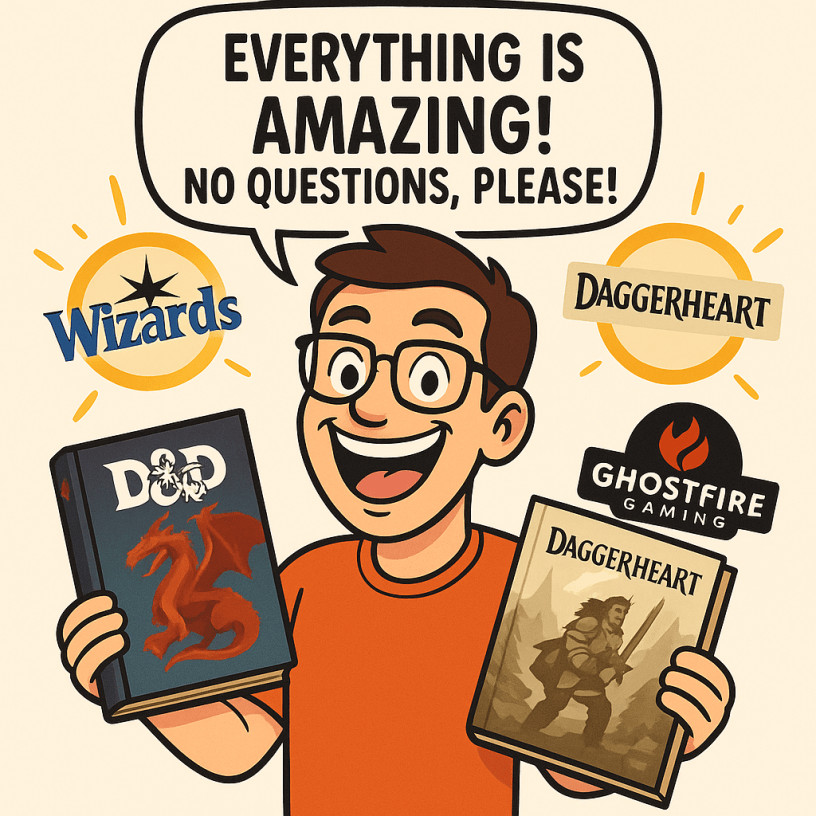
When “Good Vibes Only” Goes Wrong.
Tabletop roleplaying games (TTRPGs) thrive on imagination, collaboration, and honest expression of emotion, both highs and lows. However, the rise of relentless “good vibes only” messaging in DungeonTuber and broader TTRPG spaces can mask genuine concerns and stifle authentic dialogue. Let’s examine toxic positivity from psychological and public relations perspectives, explores its manifestations in our hobby, and offers strategies for balanced, authentic communication.

What Is Toxic Positivity?
Toxic positivity refers to the overgeneralized belief that one should maintain a positive mindset regardless of context or genuine emotional experience. It’s what might be colloquially referred to as, “wearing rose-colored glasses.” It involves dismissing or invalidating legitimate negative feelings under the guise of “staying positive,” preventing honest processing of difficulties. From a PR standpoint, overly upbeat spin, sometimes called “silver-lining spin” which can alienate audiences when concerns feel glossed over.
Psychological Perspectives: Why Negative Emotions Matter.
Psychologists emphasize that acknowledging and processing negative emotions is crucial for mental health. Suppressing real feelings can increase stress, anxiety, and feelings of isolation, as individuals may believe their concerns are “not allowed.” In community contexts, telling members to “focus on the good” when they express frustration about cost, representation, or burnout can push them away or foster resentment.
Public Relations View: When “Always Hype” Backfires.
Authentic communication balances positive messaging with transparency about challenges. Overzealous positivity can appear inauthentic, eroding credibility when issues like accessibility or design flaws are downplayed. Short-term buzz may result, but long-term trust suffers if audiences feel their valid feedback is ignored.
Manifestations in the TTRPG Creator Space.
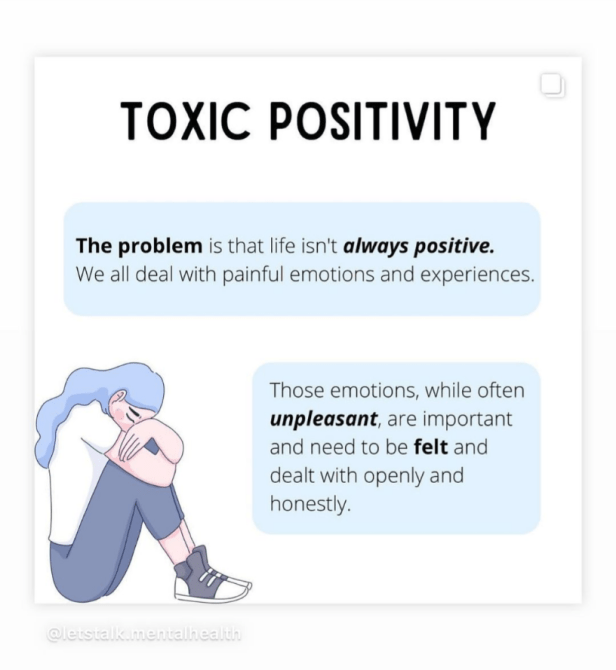
- “Hype-Only” Reviews: Exclusive praise of new releases without addressing potential drawbacks can feel disingenuous, and critics labeled as “negative trolls” or “outrage mill.”
- Deflecting criticism with forced positivity: Responses like “just be grateful” or “stop the negativity” shut down nuanced discussion.
- Preemptive Smear Tactics: Labeling dissenters as part of an “outrage mill” before they speak is a form of poisoning the well. We’re seeing this a lot on TTRPG YouTube again.
- Sponsorship-driven messaging: Heavy sponsors may pressure creators to highlight only positives, reducing honest analysis.
- Community Policing of Emotions: “Good vibes only” moderation can exclude members facing legitimate challenges (e.g., budget constraints, design frustrations).
Why It Matters for the Hobby’s Health.
Toxic positivity erodes trust and lacks authenticity. Audiences disengage when they sense messaging is driven by hype or sponsorship rather than genuine insight.
It stifles improvement. Constructive criticism fuels design evolution. Silencing feedback hinders growth. Does anyone remember the Great Dungeons & Dragons Open Game License Debacle of 2023? If we had been quiet then, we’d be hurting for Third Party D&D Publishers now.
Constant toxic positivity hinders representation efforts. Inequity and exclusion, regardless of who it might affect, can occur when the same positive images are shoved in our faces daily. Yes, DEI is great. But ramming it down everyone’s throat in every product promotion to the exclusion of other voices is worrisome at the very least.
It increases burnout: Creators forced into a positivity facade may burn out faster; silenced players may leave the community entirely or worse; spread negative word-of-mouth advertising on social media or elsewhere.
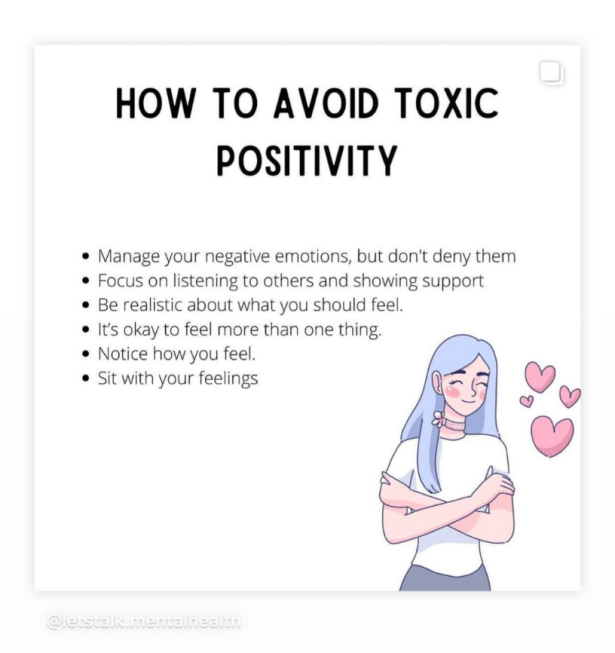
I recommend balancing positivity and authenticity.
- Acknowledge complexity: Use “Yes, and…” framing which many of us are familiar with at this point. Affirm excitement while honestly addressing drawbacks. We live in a duality. For every plus there is probably a minus and so on.
- Practice Empathic Listening: Respond to frustrations with empathy and collaborative problem-solving. Some of us are guys. It might take some practice. Just sayin…
- Transparent Sponsorship Disclosures: Clearly disclose relationships and offer genuine pros and cons. Although if it takes five minutes of promotional stuff to get into a ten minute video? You need fewer things to plug. Maybe consider making multiple videos with only one or two plugs each.
- Encourage Nuanced Discussion: Host roundtables dissecting strengths and weaknesses of topics respectfully. Maybe not just at conventions, but online as well. Discord and livestreams work well for this kind of thing, I hear.
- Self-Reflection for Creators: Check motivations. Embrace tough topics as best you can but set boundaries to maintain well-being.
- Cultivate Supportive Sub-communities: Create spaces for honest feedback moderated for respect, not forced positivity.
Handling Online Kerfuffles and Trolls.
Focus on Ideas, Not Individuals: Critique patterns like “poisoning the well” without ad hominem attacks.
Share Educational Explanations: Explain rhetorical tactics; even if trolls dismiss them, others learn.
Limit Engagement When Necessary: Redirect energy into broader articles rather than prolonged one-on-one arguments.
Model Balanced Behavior: Respond with empathy and honesty, demonstrating alternative approaches.
Wrapping It Up.
Tackling toxic positivity in TTRPG spaces is brave and necessary to cultivate healthier, more resilient communities. If you’re a creator, the next time you feel compelled to hype unchecked, pause—are we ignoring real issues? Can we be honest while constructive?” Let’s build a TTRPG community that welcomes wonder and critique, ensuring the hobby thrives authentically.
References and Hyperlinks
- Psychology Today: Toxic Positivity – https://www.psychologytoday.com/us/basics/toxic-positivity
- PRSA: Reversing Toxic Positivity – https://www.prsa.org/article/reversing-toxic-positivity
- ADAA: Toxic Positivity Occurs When Encouraging Statements Minimize Painful Emotions – https://adaa.org/learn-from-us/from-the-experts/blog-posts/consumer/toxic-positivity
- BetterHelp: Exploring Toxic Positivity On Social Media – https://www.betterhelp.com/advice/current-events/exploring-toxic-positivity-on-social-media/
- ResearchGate: The Dark Side of Positive Vibes: Understanding Toxic Positivity in Modern Culture – https://www.researchgate.net/publication/383871051_The_Dark_Side_of_PositiveVibes_Understanding_Toxic_Positivity_in_Modern_Culture
- Platform Magazine: A PR Leader’s Guide to Toxic Positivity Versus Positivity – https://platformmagazine.org/2023/03/07/a-pr-leaders-guide-to-toxic-positivity-versus-positivity/
Thank you for being here with me today. I appreciate you. Keep it real, but please strive for positivity, too. Please embrace the things that bring you the most joy in your life.

 Jeff's Game Box