

Yesterday I said we would explore a successful TTRPG and look at how it is built.
Way back in 1983 I had this red box that came with a full set of six dice and two fairly thin books. The game was called Dungeons & Dragons, and the box was the first in a series referred to as the BECMI edition. (Basic, Expert, Companion, Master, Immortal.) This game is where a lot of us first fell in love with TTRPGs. You can learn more here on the Wikipedia page.
I made so many characters with just these rules. Then Expert and Companion boxes came out. So much joy in the first four boxed sets. I poured over the contents of those sets for days on end. I built countless dungeons on graph paper and had notes for every room.
Immortal rules were… different. I only played out of that box a few times. It had some issues. Alas, I digress. But the rest of the game was awesome! I was still playing Basic through Master in college.

That red box spelled out the game immediately.
Book 1, Player’s Manual said in effect from the start- here’s what the game is. Here’s what you do as a player. Here’s what the Dungeon Master does. Here’s how to make a character. What was not to love back then? You could only play to Level 3 back then without the Expert rules. But I had a ton of low level characters waiting to move up when that blue box arrived.
It was revised by Frank Metzer based on the original works of Gary Gygax and Dave Arneson. Prior to Mentzer, Tom Moldvay and John Homes had edited their own versions of the game. Each edition also had its own corresponding sets of artists.
Would you like to guess what wasn’t there?

See, Wizards of the Coast would like us all to forget everything before they took over TSR and the Dungeons & Dragons license. Gygax didn’t need a team of five writers and six artists along with a bunch of extra editors, cultural consultants, etc. There were no committee meetings or consumer test groups. Guys like Gygax and Mentzer already knew what they needed to do in order to build the game.
Dungeons & Dragons was built upon miniatures wargaming traditions. There was no need for fancy backgrounds or even a reason to go adventuring necessarily. They weren’t worried about offending their audience nearly as much as just having one. A lot of miniatures wargamers to this very day still print off and staple their rulebooks together for distribution amongst friends for free or very cheap.
There was no need for overpowered, super talented characters at Level 1. There was no Vox Machina or Baldur’s Gate 3 to show us what D&D was supposed to look like. Ironically, the first artists for the game got to make up appearances to go along with the monster stats. I think that’s some of the reason we have some pretty weird looking stuff nowadays.
I can imagine some things haven’t changed too dramatically.
I’m sure the excitement is still there when someone gets their first D&D 5E book, Shadowdark, Old School Essentials or Castles & Crusades. You hear the crack of the spine the first time you open the book all the way and get a whiff of that fresh printing. There’s something magical about making that first character and the unbridled enthusiasm for that second or third game session once the book is in hand and the rules become familiar. It’s been many years since I experienced it for the first time, but I still get giddy every time a book comes in the mail.
Despite what Wizards of the Coast or their many shills might try to tell you, being a Dungeon Master has not changed that dramatically in the last 50 years. DMs still create environments, Non Player Characters, adventures in some cases just like the good old days. Maybe they have an overland map to maybe explore and possibly create a dungeon full of monsters, traps, puzzles, etc. It’s no more or less difficult than being a player, except maybe some notetaking.
No one ever said the DM was responsible for memorizing every rule in the game. If someone does say that, tell them to go home because they’re obviously quite intoxicated. Make sure you get their car keys before they leave. There are designers who don’t memorize the whole rulebook. That’s why we have ways to look things up OR just make a call and figure it out later.
The destination is the emotion.

I’m going to talk about the Law of Attraction out in the real world for a minute. EVERYTHING- the coffee, the table, the air, the floor, even the cat are all ENERGY. (Solid matter is composed of 98% empty space.) Everything created by humans had to start as an idea in someone’s mind. Energy ripples through everything. Energy in motion = Emotion.
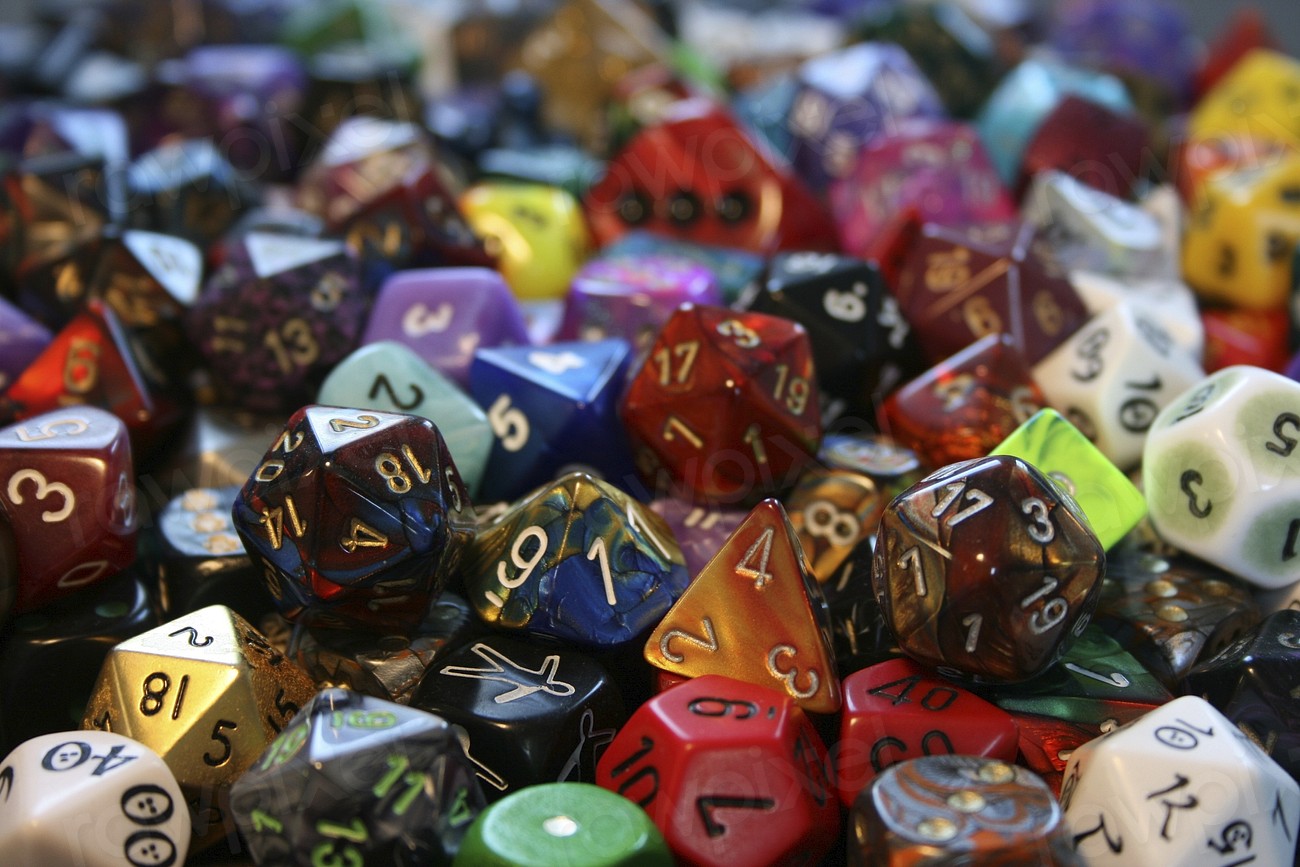
We’re all trying to get back to that feeling of what it was like to open that book for the first time. We want to remember rolling those dice during that first session. We want to return to the wide-eyed wonder of what our characters could do. We want the joy of overcoming all the monsters, obstacles, and traps for the first time.
Joy is what TTRPGs are all about. It’s not the rules mechanics or cool backstories. It’s not even about the campaign world or the setting for the most part. It’s about having fun with friends or even by yourself sometimes.
It’s about creating something new every time we come to the table. Building characters for a new campaign for the first time is setting that energy in motion. It only grows from there. That’s what the original Dungeons & Dragons game did.
That’s what Gygax and Arneson were trying to do back then. They just wanted to have fun by taking the miniatures off the battlefield and putting them in an underground labyrinth to see if they could survive. Later it would get strung into a campaign just like minis gamers in Napoleonics or WW2 miniatures games did. It’s what they did for fun on the weekends and after work.

Fast forward 40+ years.
Here we are in a day and age where TTRPG YouTubers are literally yelling into the camera about other YouTubers. Entire videos are made where one GM rudely critiques someone else’s game session from the players on up. Nasty comments are made running the gamut from GM style through player politics and views about the real world. Sometimes I think I can actually hear Gary Gygax rolling over in his grave at about 1,000 RPM with some of the crap people say.
We didn’t have Critical Role in 1985 to set an unattainable standard for Dungeon Masters. The examples in the book and watching our friends DM set the standards. We made it up as we went along. Some of us are still doing exactly that.
It’s a new day for better or worse.
I’m not here to trash talk Wizards of the Coast (today, for once.) What I will say is modern TTRPG design and modern players are different in a lot of ways from some of our counterparts 40+ years ago. Everything has become politicized. Attention spans have shortened. We have all of these social media outlets to discuss gaming globally that didn’t exist in 1975.
The company philosophies are as different as the players or GMs. We take social relevancy so much more seriously in the 2020’s than we did when the game first appeared on shelves. Guys like Gygax and Mentzer never worried about how the term “race” was going to affect sales to specific markets. They just wanted to build a good game. They wanted to have fun gaming with friends and maybe make a few bucks on the side.
Take money out of the equation in TTRPGs for a moment. Why do we make games? Answer: Because it’s FUN! I love coming up with rules, settings, worlds, and such. I like building on what others have started just like we did back in 1983. I want players all over the globe to enjoy the fruits of my labor.
The feeling is the secret.

I feel like that’s what we need to get back into. Screw the big TTRPG companies and their umpteenth edition/remaster of the rules. Screw Virtual Tabletops and talk about hundred dollar card decks. Let’s just play a game. I want to see someone’s eyes light up and hear them say, “Holy crap! This is cool!”
There are tons of game designers out there on DriveThruRPG and Itch.io who never had a million dollar Kickstarter. Their products are still awesome. Please, go explore those sites. There are even tons of free or cheap TTRPGs to try out.
Make massive piles of cool new characters and explore character concepts. Even 5E with its complicated character creation can still be heaps of fun. Try making a Basic Fantasy, Shadowdark, or Old School Essentials character to compare/contrast them. Download the Quick Start rules for any number of games and just tinker around with the mechanics for a while.
Tomorrow I will attempt putting together a new class for Shadowdark RPG right here on the blog. It will be free, obviously. Hopefully it will go better than my OSE Death Knight.
Thanks for stopping by today. I truly appreciate everyone. Let’s all be nice to one another today, please?

 Jeff's Game Box