
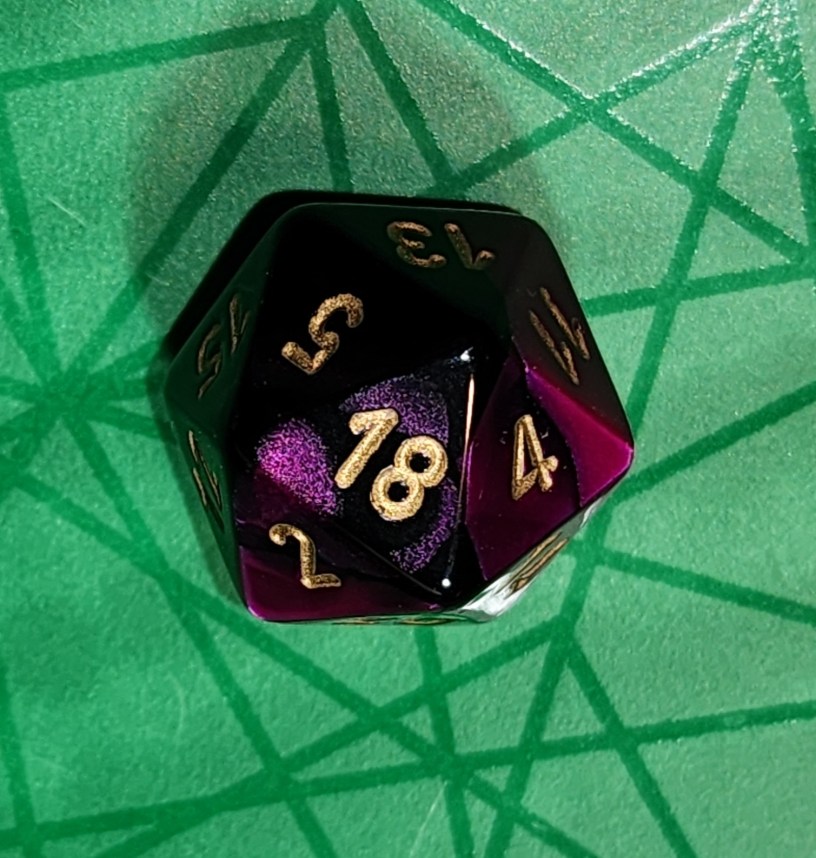
Not sure how this became a topic again, but…
To sum up the various accountings of Rule Zero in various published sources, we’ll just paraphrase it to: The Game (Dungeon) Master has the final say over any rule or published world element. Also, the GM is the Alpha and Omega when it comes to rules debates. The GM’s word is FINAL!
We used to say (and still do occasionally) explain to the group that it’s the GM’s game. Period. There is no higher authority. There is no real arguing. The GM is right whether they’re right or not. It might seem rather draconian to some of the younger folx. I get it.
Disclaimer: Statements expressed in this article are strictly my opinion. If you disagree or have a different opinion, that’s okay. I’m not an expert on everything. I’m not always right. I’m just writing from my experience as I know it. Your mileage may vary.
Do GMs have to be so authoritarian?
Well, the answer to this question is a bit complicated. Yes, and no we don’t. There are definitely situations where we do. I’ll try to cite sometimes when I think it genuinely matters.
Conventions, for instance, are a good example of where the GMs rule is law. Period. No dispute. This is practical because no one wants to spend several minutes arguing with or watching someone argue with the GM, especially in a 2-4 hour game session.
Public games, particularly organized play sessions, while known for some sketchy GM/DM practices are another good place. I feel like this is a just-let-it-go moment for players. Again, no one wants to argue or sit and watch someone else argue with a GM. Even if the GM is technically wrong, they’re right.
Most of us have been in situations where we’re pretty sure we know a rule and the GM is doing it “wrong.” Sometimes, I hate to say it, but it’s just better to let it go and not argue. Take it up with the GM (nicely) after the game session ends. It’s not unreasonable to do when it’s not eating up game time digging through rulebooks.
“The GM is just another player at the table,” approach.

Umm, no. It’s my opinion from seeing this attempted to be practiced. This approach is coming up in more and more games these days and while it might make me an outcast- I don’t agree with it.
I will say, honestly, when it comes to my GM style or even my blog: Take what resonates and let the rest go with love and light, please. Yes, I’m occasionally very wrong about something. If it doesn’t hinder gameplay, let it go. I’ll happily double check the rule after the game and we can do it differently next time. Maybe the instance where I let something go the “wrong” way was a fluke, just like some dice rolls that go wild one way or another.
Yes, the GM is technically another player at the table, but from the earliest TTRPG traditions ever, the GM is supposed to shoulder so much more responsibility for the game on top of acting as impartial moderator of the players actions. This is actually derived from miniatures wargaming practices of having an impartial judge or referee. Again, the judge’s rulings are FINAL.
Much like being an umpire for baseball, whether you agree with a call or not, it’s done. Protest it later. Sorry, coach, that’s how he called it. The same goes for minis wargame judges and GMs of various RPGs.
The GM plays a ton of NPCs, but theoretically doesn’t have an actual stake in the outcome of anything that happens to them. Likewise, nothing should happen (for long) that strictly involves a conversation among just NPCs unless one of the PCs is somehow involved. (Even if it’s just eavesdropping.) That still means the GM is doling out some storyline and the PCs still need to figure out how to interact with it.
The defined role of the GM in most games is to describe the world, run NPCs and monsters, and adjudicate the rules to the best of their ability. All of these things are supposed to be done in a fair and impartial manner. In theory the GM should have no actual stake in the game in the same way other players do.
Would I say it works that way in practice? Nope. Most theories usually have one or two holes in them that are commonly exploited. In this case the GM usually takes the players’ sides lest the game become adversarial. The game becomes about moving the story forward as opposed to the players always thwarting the GM’s carefully constructed plans to kill their characters.
“But we’re getting railroaded. Choo choo!” the players cried.

I see this argument far too often on YouTube and social media these days. I keep hearing the players are supposed to somehow come up with their own plot and the GM independently has to simply respond to whatever they players want to do. Again, I strongly disagree with this approach. It’s like having five different chefs with five completely different recipes sharing a soup kettle simultaneously. It’s too chaotic and eventually someone has to take charge or the cream of turnip, broccoli, fish chili is going to taste pretty freaky if not downright awful.
Most games, especially convention games and adventure paths are going to have a defined set of encounters for the GM to run the group through. The players are either going to cooperate or not. Personally, I feel like I failed as a GM if the group goes off on a wild tangent miles away from any storyline. I can only handle so much carousing, shopping, and general drunken debauchery before I have to have a dragon burn the whole town to the ground.
Yes, even in my home games there is some sense of plot. Sometimes I have to improvise or even omit certain planned encounters because the group went off the rails. I often wonder if my wife reads my notes while I’m in the bathroom, but that’s a whole different story.
There needs to be an agreement between the players and GM to cooperate to the best of everyone’s ability or it’s just not as much fun. Yes, sometimes the GM is going to drop some major plot bombs. Sometimes the players are going to want to spend a session dinking around in town shopping and talking to NPCs. Maybe we pick up a few backstory elements and add some plots/subplots.
Back in ye olden days, it was the GM’s way or the highway.

Maybe if I was running a strictly Rules As Written OSR or even AD&D game, that’s how I’d treat it. We used to say, “The GM’s word is law. Period. If you don’t like it, leave, and go find another game.”
Luckily, in 2023, we don’t do that anymore. What I think it should sound like nowadays is during Session Zero the players and GM need to agree that yes, the GM has the final say on the rules to move the game forward. However, the players must collectively work to advance the story forward. Once the GM has set things in motion, it’s up to the players to keep things rolling in whatever direction they’re going to roll in. If that means the PCs miss something huge and half the world is wiped out as a side note, oh well. If the opportunities to right the wrongs and save the world was presented and the group went carousing instead? Well, I guess that’s too bad.
I love my players to pieces. I don’t want to see them fail completely at whatever they decide to do. I build NPCs, background stories, and world events to keep them engaged with one another and the game itself. If something wonky comes up mechanically, I deal with it on the spot with a ruling and then look it up after the game. I also have at least one player we call upon as a rules expert to clarify some things, but that’s another article for later.
I think we still need a Rule Zero, but I think it’s okay to loosen up a little as a GM. We don’t have to be harsh, draconian, adversarial, spiteful, dictators at the table as GMs. Instead, we’re there to cooperate and create a fun, compelling story for everyone at the table to enjoy whether it’s a one shot convention game or a long term first through twentieth level campaign.

Thanks for stopping by. I honestly haven’t given this policy much thought recently until today. I appreciate you being here. Have fun with your game and your GM.

 Jeff's Game Box